Get Lightning Protection Service
Lightning Protection Service providers help property owners prevent damage and hazards by installing lightning rods and grounding systems for homes and commercial buildings.
Property owners in the area who are considering lightning protection solutions often seek reliable service providers to ensure their structures are safeguarded against lightning strikes. Proper planning and choosing the right local contractors can help prevent potential damage, reduce risk, and provide peace of mind during stormy weather. Exploring available options and comparing experienced professionals can make the process of enhancing property safety more straightforward and informed.
This page connects visitors with local service providers capable of handling lightning protection services tailored to various property types. Whether installing new systems or upgrading existing ones, property owners are encouraged to review their options and contact trusted local contractors who specialize in this work. Continuing to explore the available services can lead to making well-informed decisions for property safety and protection.
- Commercial buildings - when large structures require lightning protection to safeguard equipment and occupants.
- Residential homes - when homeowners want to protect their property and electronics from lightning strikes.
- Industrial facilities - during the construction or upgrade of factories and warehouses needing comprehensive lightning safety.
- Communication towers - when tall structures need reliable lightning grounding to prevent damage and service interruptions.
- Historical landmarks - for preservation efforts that include installing effective lightning protection systems.
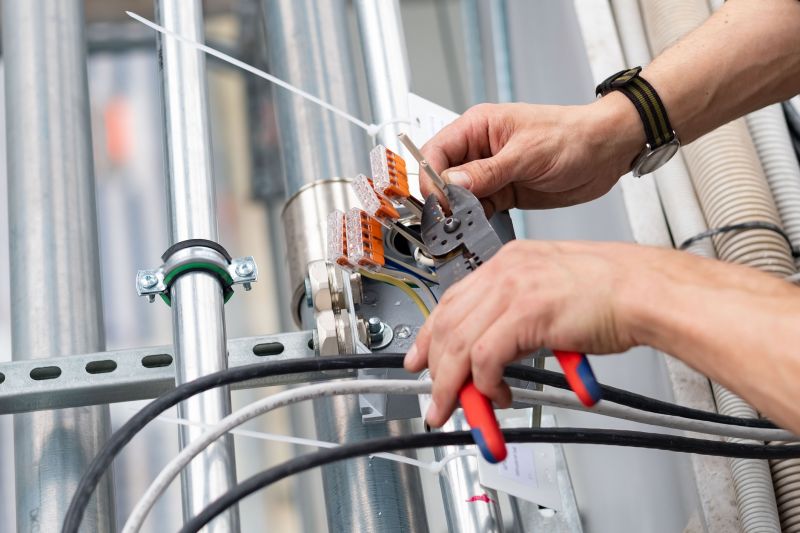
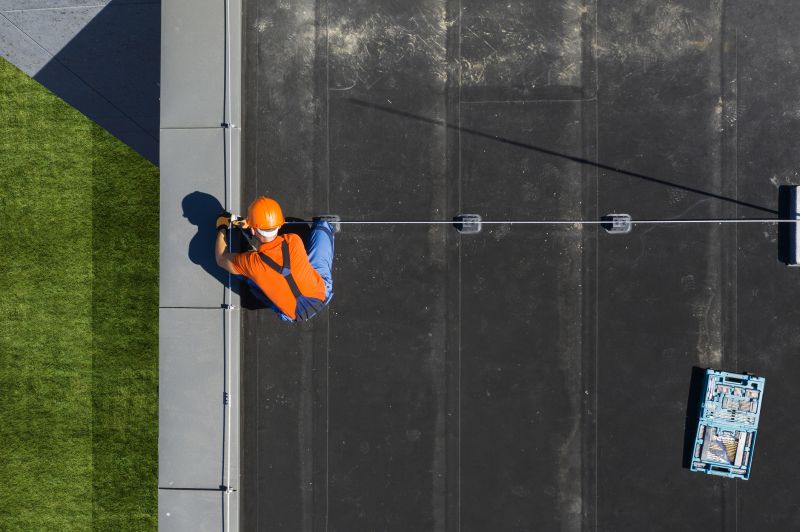
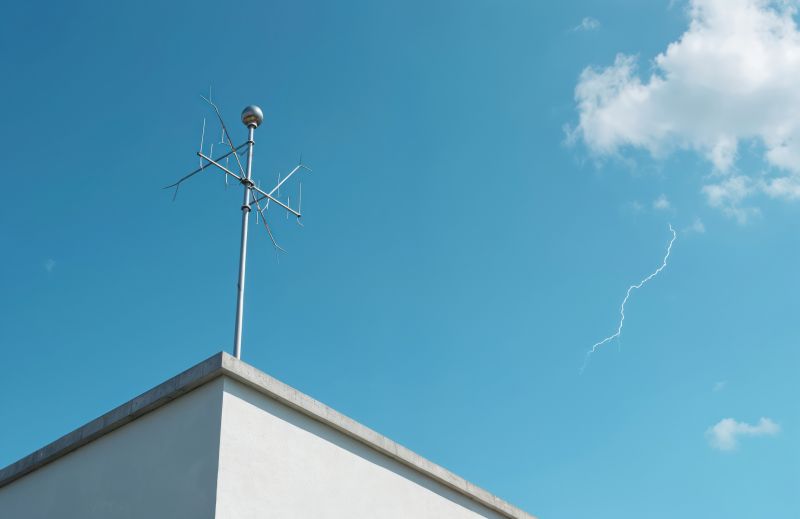
Lightning protection services involve installing specialized systems designed to safeguard properties from the damaging effects of lightning strikes. These systems typically include lightning rods, grounding wires, and conductors that provide a direct path for electrical energy to safely reach the ground. Proper installation helps prevent electrical fires, damage to electronic equipment, and structural harm caused by lightning strikes. By working with experienced service providers, property owners can ensure that their lightning protection setup is effective and compliant with safety standards.
One of the main problems lightning protection services help address is the risk of electrical fires and damage caused by lightning strikes. When a lightning bolt hits a building or nearby ground, it can cause power surges, ignite fires, or damage sensitive electronics. Installing a lightning protection system creates a controlled pathway for the electrical energy, reducing the risk of unpredictable fires or costly repairs. These systems are especially important for structures with tall features, such as towers, church steeples, or large commercial buildings, but they can also benefit residential properties in areas prone to thunderstorms.
Properties that typically use lightning protection services include homes, farms, commercial buildings, and industrial facilities. Homes in regions with frequent thunderstorms or tall structures often consider installing lightning protection to safeguard their property and belongings. Agricultural properties with tall silos or equipment, as well as warehouses and manufacturing plants, also benefit from these systems. Regardless of property size, any building that has a higher risk of being struck or contains valuable or sensitive equipment may find lightning protection services to be an essential part of their safety measures.
Homeowners and property managers who notice frequent thunderstorms or live in areas with a high incidence of lightning strikes should consider consulting with local contractors about lightning protection services. These professionals can assess the property’s risk factors and recommend appropriate systems to minimize potential damage. By connecting with experienced service providers, property owners can ensure that their buildings are equipped with reliable lightning protection measures, helping to reduce the risk of costly damage and improve overall safety during storm seasons.
The overview below groups typical Lightning Protection Service projects into broad ranges so you can see how smaller, mid-sized, and larger jobs often compare in your area.
In many markets, a large share of routine jobs stays in the lower and middle ranges, while only a smaller percentage of projects moves into the highest bands when the work is more complex or site conditions are harder than average.
Smaller Repairs - Typical costs for routine lightning protection repairs range from $250 to $600. Many small jobs fall within this range, covering repairs to existing systems or minor upgrades. Larger or more complex repairs can cost more depending on the scope.
System Installation - Installing a new lightning protection system usually costs between $1,000 and $3,000 for most residential properties. Many installations fall into this middle range, while larger or custom systems may reach higher prices.
Full System Replacement - Replacing an entire lightning protection system can range from $3,500 to $8,000. Larger, more complex projects or commercial properties can exceed this range, but most replacements are within this band.
Complex or Commercial Projects - Larger or more intricate lightning protection projects can cost $10,000 or more. These projects are less common but are handled by local contractors with experience in commercial or industrial systems, which can significantly increase costs.
Actual totals will depend on details like access to the work area, the scope of the project, and the materials selected, so use these as general starting points rather than exact figures.
Electrical Grounding Projects - These projects involve establishing proper grounding systems that are essential for effective lightning protection, requiring similar planning and wiring skills.
High-Rise Building Lightning Safety - Installing lightning protection on tall structures demands precise planning and specialized tools, similar to those used in lightning protection services.
Storm Damage Prevention Systems - Implementing systems to mitigate storm-related damage involves understanding electrical systems and safety protocols akin to lightning protection work.
Metal Roof Lightning Protection - Installing lightning rods or conductors on metal roofs requires knowledge of electrical conductivity and structural considerations comparable to lightning safety services.
Industrial Facility Grounding - Developing grounding solutions for large industrial sites involves similar skills in electrical planning and safety measures as lightning protection installations.
Antenna and Tower Lightning Protection - Protecting communication towers and antennas from lightning strikes involves specialized grounding and wiring skills shared with lightning protection projects.
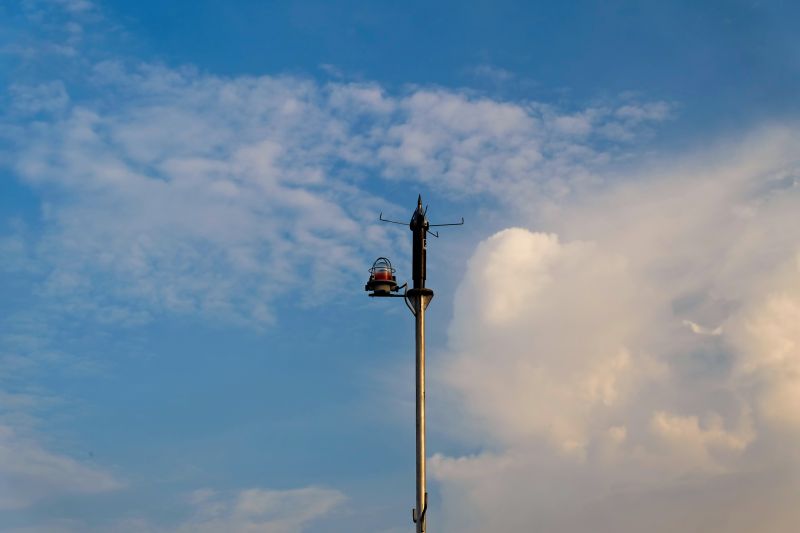
When comparing service providers for lightning protection, it’s important to evaluate their experience with similar projects. Homeowners should seek out local contractors who have a proven track record of handling lightning protection systems comparable to the scope of their own property. This can include reviewing the types of structures they’ve worked on, the complexity of previous installations, and their familiarity with local building codes and environmental considerations. An experienced contractor is more likely to understand the nuances of lightning protection and deliver a solution that effectively safeguards the home.
Clear, written expectations are essential to ensure both parties are aligned on the scope and details of the project. Homeowners should request detailed proposals that outline the services included, the materials to be used, and any specific responsibilities of the contractor. Having this information in writing helps prevent misunderstandings and provides a basis for evaluating whether a particular service provider’s approach aligns with the homeowner’s needs. Transparent communication about project expectations also fosters trust and facilitates a smoother working relationship.
Reputable references and good communication practices are key indicators of a reliable service provider. Homeowners are encouraged to ask local contractors for references from past clients who had similar lightning protection needs. Contacting these references can provide insights into the contractor’s professionalism, quality of work, and ability to communicate effectively throughout the project. Additionally, choosing a provider that maintains open, responsive communication can help ensure questions are answered promptly and concerns are addressed, leading to a more positive overall experience when installing lightning protection systems.
Property owners use Lightning Protection Service services for practical projects around their homes and businesses. This guide focuses on everyday jobs and straightforward project options.
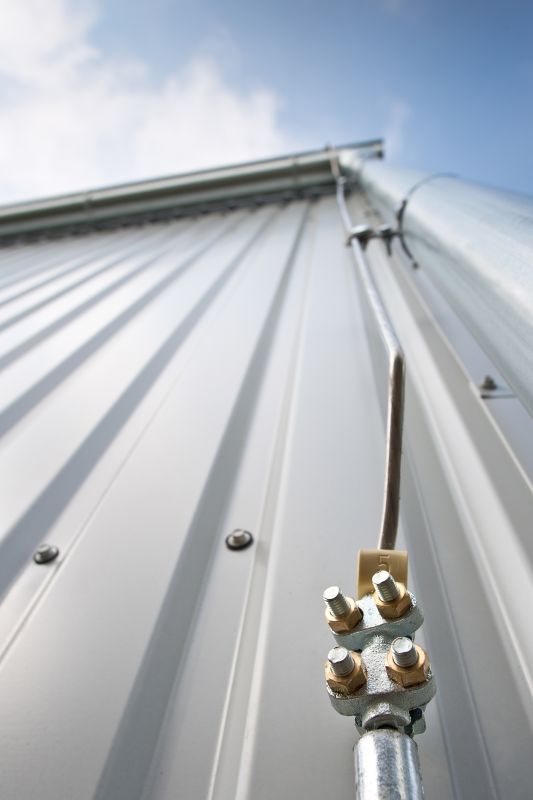
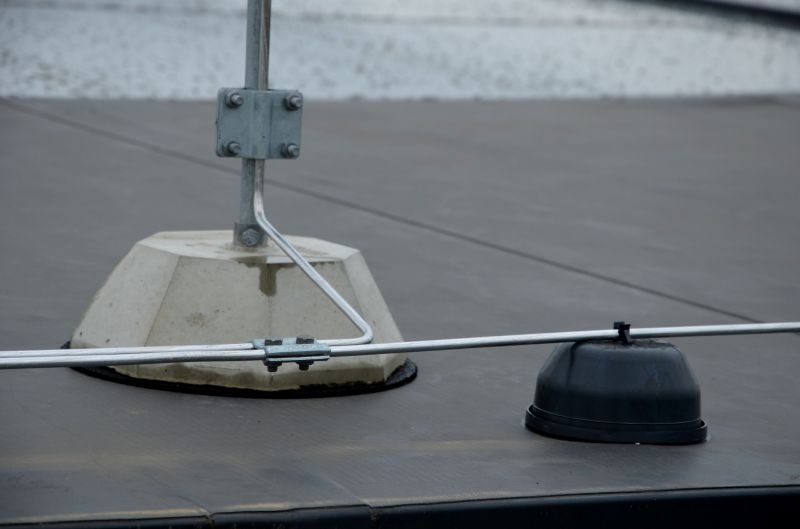
Lightning protection services are often needed for properties that are at risk of being struck during thunderstorms or severe weather. Property owners may seek these services to help safeguard homes, commercial buildings, or other structures from potential damage caused by lightning strikes. Local contractors can assess the specific needs of a property and install systems designed to provide a reliable defense against lightning, helping to protect valuable assets and ensure peace of mind during stormy seasons.
In many cases, property owners turn to local service providers for lightning protection when building new structures or upgrading existing ones. Weather patterns and property location can influence the likelihood of lightning strikes, prompting owners to consider professional installation to reduce risks. Service providers in the area can offer practical solutions that integrate with the property’s design, ensuring effective protection while maintaining the property's overall safety and integrity.
What is lightning protection service? Lightning protection service involves installing systems designed to safely direct lightning strikes away from structures, helping to prevent damage and ensure safety.
How do lightning protection systems work? These systems typically use conductive rods and grounding components to channel lightning strikes safely into the ground, reducing the risk of fire or electrical damage.
Why should I consider professional lightning protection installation? Professional installation ensures that the system is properly designed and integrated with your property, providing effective protection and compliance with safety standards.
What types of properties can benefit from lightning protection services? Residential, commercial, and industrial properties can all benefit from lightning protection systems to safeguard their structures and electrical equipment.
How can I find local contractors for lightning protection services? This website can help connect you with local service providers who specialize in lightning protection system installation and maintenance.
Enhance residential safety - Installing lightning protection can help safeguard homes during thunderstorms, reducing the risk of fire or damage caused by lightning strikes.
Protect outdoor structures - Local contractors can add lightning rods to protect garages, sheds, or other outdoor buildings from potential electrical damage.
Secure commercial properties - Businesses can utilize lightning protection systems to prevent disruptions and damage to equipment during severe weather events.
Upgrade existing systems - Property owners can have local service providers evaluate and improve their current lightning protection setups for better coverage.
If you are thinking about Lightning Protection Service for a property, this guide is meant to help you understand the work, the typical project types, and how different options might fit your plans.
When you are ready, you can use the quote form on this page to share a few details about your project. From there, local pros can review the basics and respond with options that match what you have in mind.